
Electric Fence for Dairy Cows
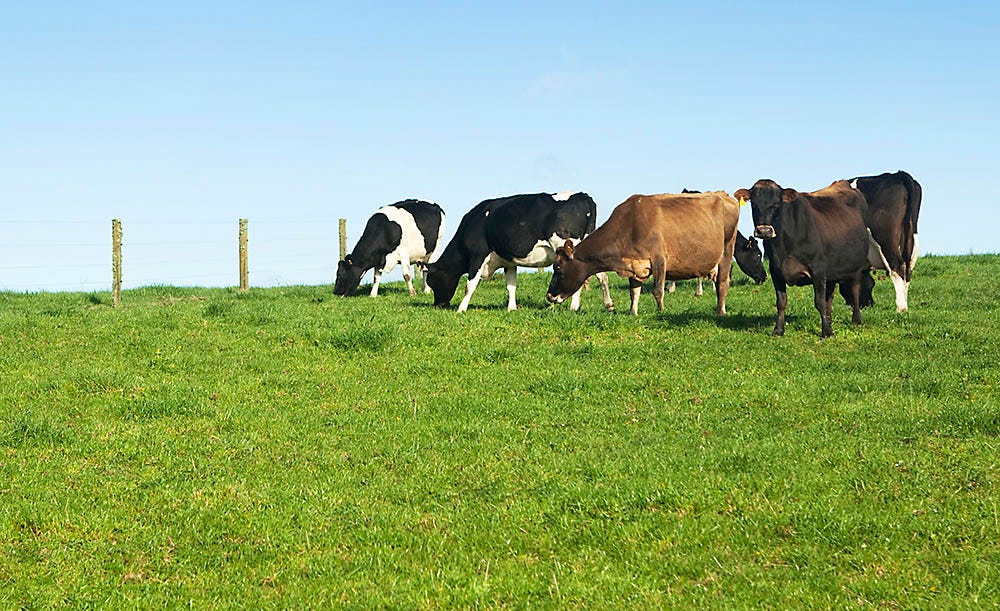
Electric fencing for dairy cattle centers around two main features – outdoor control and indoor (dairy barn) control. Certain factors must be considered for each situation.
Dairy cattle are among the easiest animals to contain with electric fences because they are relatively docile and are accustomed to daily human contact. Today, high-tensile electric fencing is proving to be the most popular choice for dairy cattle. It can be used for both perimeter and interior fencing.
Fence Wire
The number of fence wires used for dairy cattle will vary from 1 to 6, depending on the following factors:
- Size of the cows
- Life expectancy of the fence
- Whether you will keep calves with the cows
- If you are concerned about keeping out predators
- Whether you use rotational grazing
Perimeter fencing
In general, at least 5 or more strands are recommended for high-tensile fencing with a minimum fence height of 54 inches. At least 2 to 3 strands should be electrified. More wires will be necessary for bulls and aggressive breeds.
A standard electric fence alone should not be used as a perimeter fence. High-tensile electric fence is the best perimeter fence option.
Tip: A fence enclosing both cows and calves requires an electrified wire at the nose-level height of each.
Rotational grazing
If rotationally grazing, T-posts and a 2-wire system can be used as cross-fencing to subdivide large pastures into smaller paddocks. For a less permanent option, temporary electric fencing using step-in posts and 1 to 2 strands of polywire or polytape can also be used. Cross-fencing can then be electrified by tying into the "hot wires" of the main perimeter fencing.
Handling facilities
Wood or heavy wire panel fences are highly suggested for cattle handling facilities. Due to the small size of handling areas and animal's fight or flight behavior, electric fencing is neither appropriate nor sufficient containment in this situation.
Fencing heights for handling facilities should be at least 60 inches to prevent escape. Good visibility of fences is also important to reduce stress on animals and encourage livestock movement.
Parlor fencing
Electric fencing can be used to create a holding area outside of the milking parlor. This area may be part of the barnyard or other convenient area. It may be open or covered, but should be sheltered from severe weather. At least 15 square feet per cow should be allocated. Use this as a guideline when determining the size of the area to be fenced.
Due to the small area and close proximity of animals to each other similar to in a handling facility, electric fencing is not the most ideal option for parlor fencing. Wood or heavy wire panel fencing should be used instead. Options for gates include a standard metal gate, movable "hot wire," or an automatic moving gate that will continually "crowd" the cows toward the milking parlor entrance. Keep in mind parlor fencing systems should be laid out in a way that facilitates easy daily cleaning with machinery or a flushing hose.
Note: If livestock get their heads between fence wires and receive a shock behind the eyes instead of in front of them, they tend to push into the fence rather than pull out. Proper wire spacing (a hot wire at the animal’s shoulder height) is important to safely contain your animals.
Fence Chargers
To safely contain most dairy cows, you need a fence charger that maintains a minimum of 2,000 volts on the fence line. Dairy bulls require additional wires and higher voltage, as they can be aggressive. Voltage levels are impacted by vegetation on the fence line, length of fence, and type of wire.
We recommend you purchase a fence charger capable of maintaining these voltage levels.
- Use a low impedance fence charger for heavy weed conditions, long fences, and fences using poly wire or poly tape.
- A solid state fence charger is effective with light to moderate weed conditions, shorter fences, and fences using conventional metal wire.
- Battery and solar-powered chargers are ideal for remote installations where AC power is not available.
Note: A minimum of 5,000 volts on the fence line is required to keep predators out.
Containing Bulls
If normally kept segregated for breeding purposes, bulls or other aggressive livestock may become highly motivated to escape confinement, especially when nearby cows are in heat.
To contain bulls, maintain 3,000 – 4,000 volts on the fence line. Depending on vegetation and the length of the fence a low impedance fence charger is recommended. 5 to 6 wires are best. For more aggressive animals, you want the electrified fence to deliver a more intense shock to discourage them from going near the fence again.
