Electric Fence for Pigs and Hogs
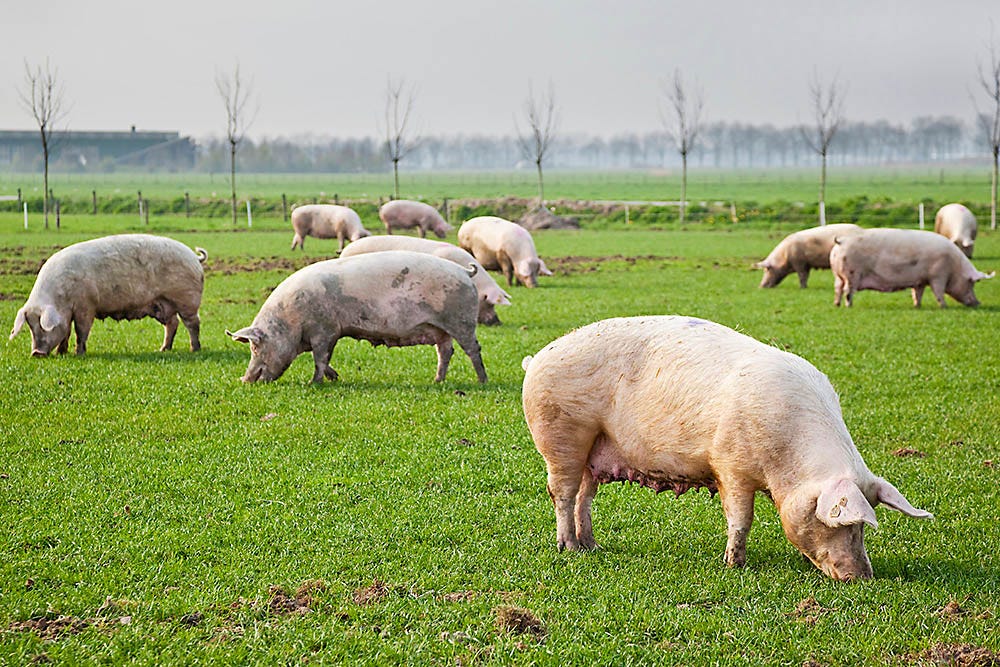
Pigs are easy to control with electric fencing as they have very little hair and large, wet noses. They are intelligent animals and learn quickly to respect and avoid an electric fence.
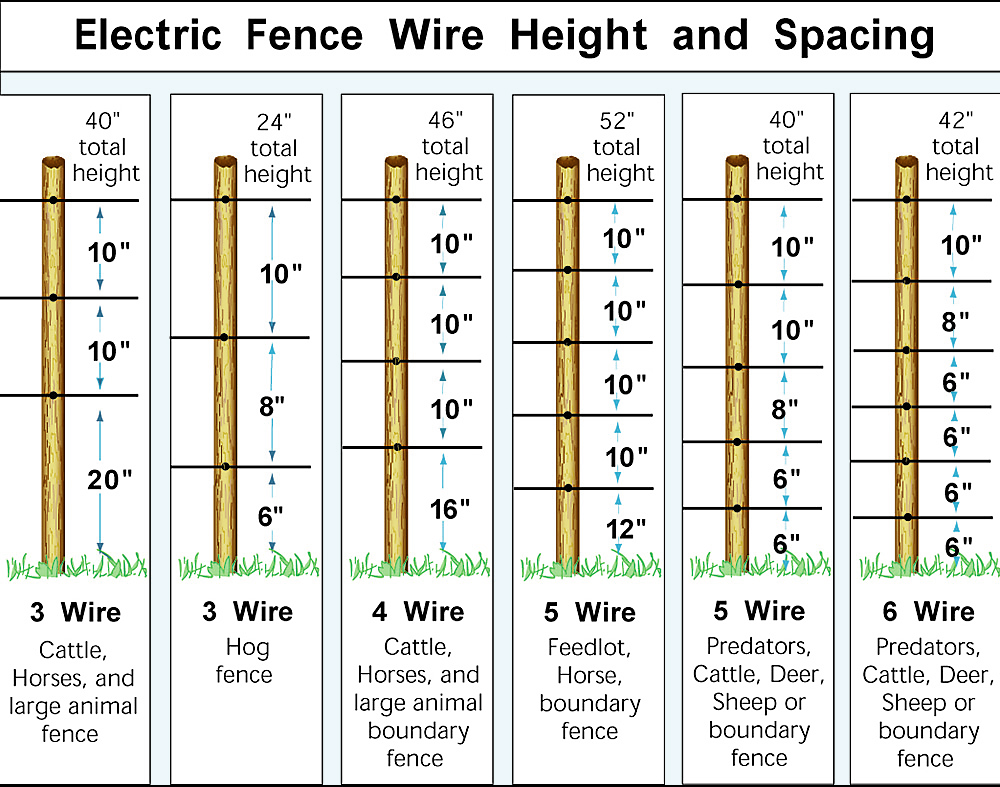
Pigs tend to root, requiring that the lowest fence wire start 6 inches or less from the ground. The next wires should be closely spaced at even intervals up to the height of the pig’s nose (e.g., 8 inches, 10 inches, etc.) We recommend a minimum of 3 strands of wire for pigs and a fence height of at least 24 inches.
Note: If pigs get their heads between fence wires and receive a shock behind the eyes instead of in front of them, they tend to push into the fence rather than pull out. Proper wire spacing (a hot wire at the animal’s shoulder height) is important to safely contain your pigs.
To safely contain pigs, you need a Zareba® fence charger that maintains a minimum of 2,000 volts on the fence line. Voltage levels are impacted by vegetation on the fence line, length of fence, and type of wire.
Tips:
- With fence wires close to the ground, a low impedance fence charger is recommended to overcome weeds.
- Mud will insulate pigs from electric shock – a low-impedance fence charger is recommended to penetrate the mud.
- Piglets kept with your pigs require wires spaced closer together and lower to the ground than pigs alone.